Part 1: Understanding Your Needs
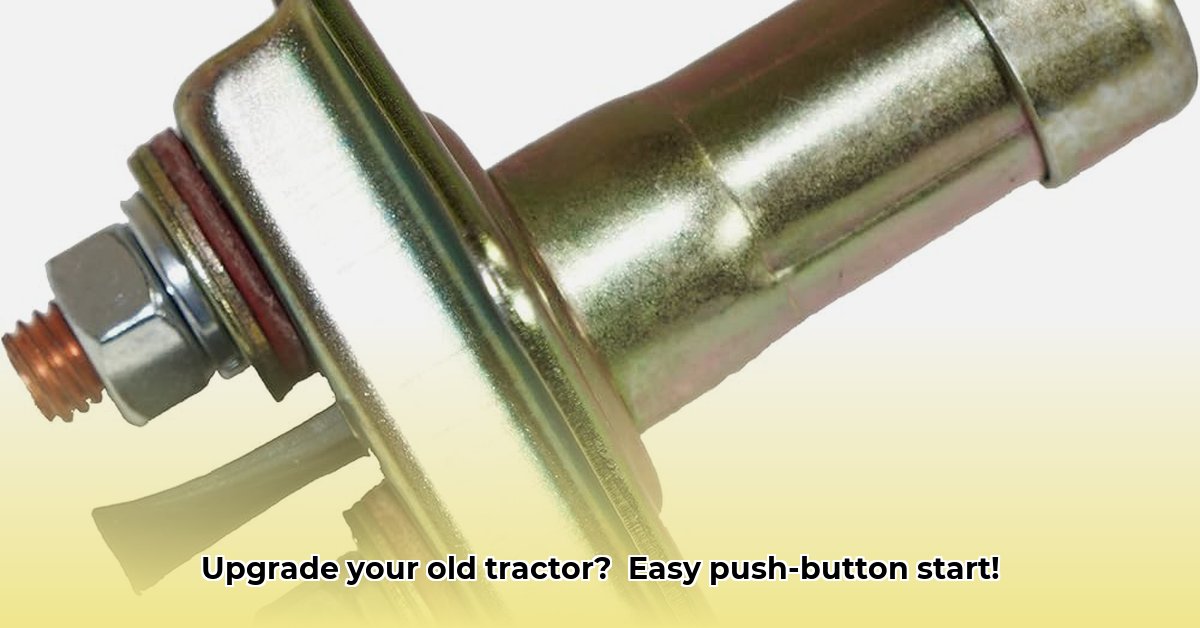
Bringing your vintage tractor into the modern age with a push-button starter is a rewarding project, but it requires careful planning. Simply swapping out the old switch won’t always solve the problem; compatibility and quality are paramount. The electrical systems in vintage tractors, especially those with older 6-volt systems, present unique challenges. Models from Ford, John Deere, Massey Ferguson, and others all have their quirks. A mismatch in amperage can damage your tractor's electrical system. Furthermore, the quality of aftermarket parts varies significantly; a cheap switch might fail quickly, leading to further complications. Therefore, selecting the correct switch for your specific tractor model and serial number is crucial. This involves understanding your tractor’s electrical system and the nuances of push-button starter switches. Don't rush this stage! A little extra time in research significantly increases your probability of success.
Part 2: Sourcing the Right Switch
Finding the perfect push-button starter switch for your vintage tractor involves several key steps:
Identify Your Tractor: Locate your tractor's make, model, and serial number. These identification numbers are typically stamped on a metal plate, often found on the tractor frame or engine block. Take clear photos to aid in your search.
Master Online Search Techniques: Use precise search terms on platforms like Amazon and eBay. Instead of generic searches, try phrases like "[Your Tractor Model] push-button starter switch," "[Your Tractor Serial Number] parts," or "[Your Tractor Make and Model] 6-volt starter switch." These highly specific searches will yield more relevant results.
Decipher Product Specifications: Pay close attention to the switch's amperage rating. This must match your tractor's electrical system; an insufficient amperage rating will quickly damage the switch and possibly other components. Also, check the dimensions and mounting style to ensure compatibility. Read customer reviews meticulously; they often highlight quality and reliability issues.
Evaluate Supplier Reliability: Prioritize reputable sellers with positive customer reviews and established track records. Avoid suspiciously low prices, as these often indicate low-quality components. Look for suppliers offering return or refund policies, just in case.
Explore Alternative Sources: Consider vintage tractor clubs and online forums. These communities are valuable resources for finding rare parts and exchanging expert advice. Local tractor shows and restoration supply stores can also be fruitful avenues, allowing you to see the options in person and get expert advice.
Part 3: Installation and Troubleshooting
Installing a new starter switch requires careful attention to safety and proper wiring.
Safety Precautions: Always disconnect the negative terminal of your tractor's battery before starting any work. This crucial step prevents electric shock and accidental shorts.
General Installation Steps: While specific procedures vary by tractor model, these general steps apply:
- Carefully trace the wiring from the old switch to the solenoid and starter motor. Document this process thoroughly.
- Consult a wiring diagram (if available) for your specific tractor model. These are usually available online or through tractor parts suppliers.
- Connect the new push-button switch according to the wiring diagram, matching wire colors and terminal positions precisely. Ensure all connections are secure and properly insulated.
- Reconnect the battery's negative terminal.
Troubleshooting Common Issues:
No Response: Check all connections for tightness and corrosion. Test the switch for continuity with a multimeter (a basic electrical testing tool). Verify you have a good ground connection. A temporary direct connection between the power source and solenoid may pinpoint whether the problem lies with the wiring or the switch itself.
Solenoid Clicking, No Cranking: This suggests issues with the starter motor, battery voltage, or grounding. Test the battery voltage and check the starter motor for proper operation.
Intermittent Operation: Loose connections or corroded terminals are likely culprits. Inspect all connections and clean or replace any corroded parts.
Preventative Maintenance: Regularly inspect wires and terminals for wear and tear, cleaning any corrosion. This simple step significantly extends the lifespan of your new starter switch and helps prevent future problems.
Part 4: Resources and Community
Connecting with other vintage tractor enthusiasts is invaluable. Online forums—such as Yesterday's Tractors—provide a platform to share experiences, ask for advice, and find parts. These communities are a treasure trove of accumulated knowledge and real-world troubleshooting tips. Don't hesitate to reach out—you're not alone in this project! The collective experience of these online communities can often help you navigate challenges and quickly find solutions to those frustrating issues that pop up.
Modernizing the Field: Why Your Tractor Needs a Push Button Starter
For decades, starting a piece of heavy machinery involved a complicated dance—turning a stiff key, engaging a separate solenoid, or even manual cranking on ancient iron. Today, the process of bringing a powerful tractor engine to life has been streamlined thanks to the humble yet essential push button starter switch. This small, momentary switch serves as the crucial link between the operator and the electrical system, sending a low-amperage signal directly to the starter relay or solenoid. Unlike the bulky mechanical switches of yesteryear that had to handle the massive current required by the starter motor itself, the modern push button is designed purely for signaling, making the entire startup sequence smoother, safer, and far more reliable, especially when temperatures drop and the battery struggles under heavy load.
The convenience factor of a push button starter cannot be overstated, particularly for operators who are frequently mounting and dismounting the equipment throughout a long workday. It eliminates the wear and tear often associated with aggressively turning a standard ignition key hard enough to bridge the contacts necessary for starting, a common failure point in older equipment. Moreover, these switches are often installed as robust replacement parts, especially on vintage tractors where the original key switch has become unreliable or where the operator prefers to bypass a complex ignition system entirely and use a simple key for ignition or fuel control while dedicating the dedicated push button purely to the high-demand starting function. When properly wired, this setup offers immediate engagement, ensuring that the critical power needed to turn over a cold diesel engine is delivered exactly when the operator demands it, minimizing strain on the battery and maximizing efficiency in the field.